The effects of light on humans; its role in sleep, psychology, performance, and health Light is one of the most fundamental elements of human life. Beyond being a physical phenomenon that merely enables sight, it is a powerful environmental factor that directly influences a person's biological rhythm, psychological state, level of focus, and overall quality of life. Scientific research today shows that proper lighting design plays a decisive role in many areas, from sleep patterns and hormone secretion to mood and work performance.
At this point, Techniclight professional lighting solutions not only light spaces but also add value to modern living spaces with biodynamic and ergonomic lighting systems that contribute to human health and comfort.
The Relationship Between Light and Human Biology
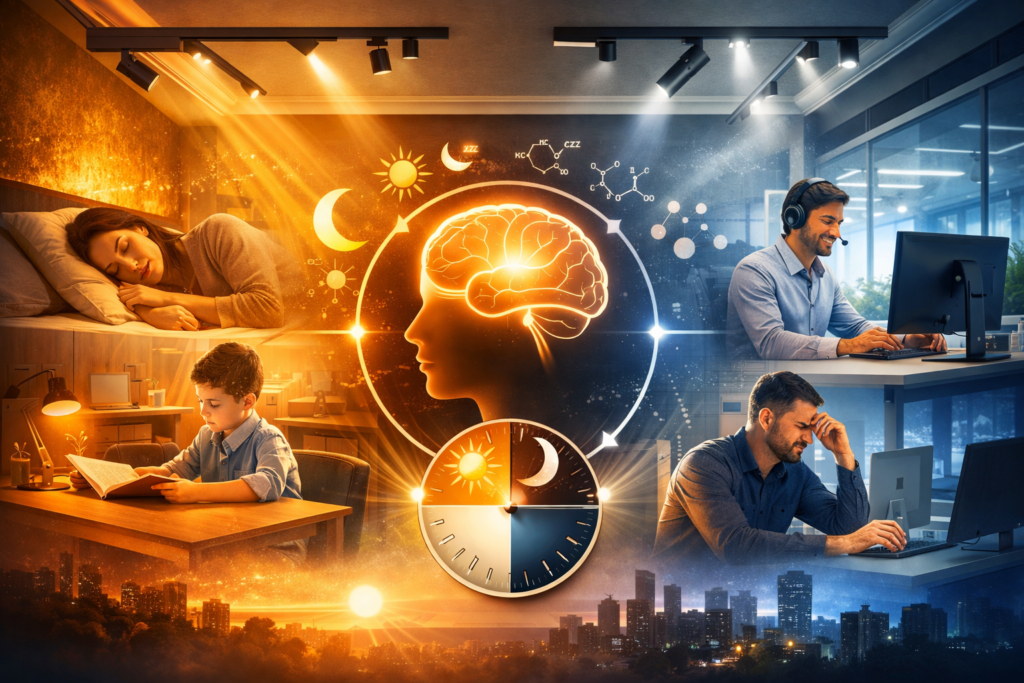
The human body has a biological clock that has evolved around sunlight for millions of years. This clock is called the “circadian rhythm,” and it regulates the sleep-wake cycle, hormone secretion, body temperature, and metabolism.
In particular:
Melatonin (the sleep hormone)
Cortisol (the alertness and stress hormone)
Serotonin (a happiness and mood regulator)
are secreted in direct relation to light level and light color.
While properly designed lighting supports this biological balance, poor lighting can lead to sleep disorders, fatigue, distraction, and, in the long run, psychological problems.
Psychological Effects of Light Color (Kelvin)
1. Warm White Light (2700K – 3000K)
Creates a relaxing effect
Increases the feeling of rest and relaxation
Ideal for homes, hotels, restaurants, and residential spaces
Supports melatonin secretion in the evening hours
2. Natural White Light (3500K – 4000K)
Has a balancing and focus-enhancing effect
Suitable for offices, schools, retail stores, and work areas
Improves concentration and reduces eye strain
3. Cool White Light (5000K – 6500K)
Stimulating and attention-boosting
Preferred in hospitals, laboratories, and technical areas
Long-term use can cause stress and tension
Techniclight LED lighting systems are designed with different Kelvin options to deliver the biological and psychological effect best suited to the function of the space.
Light Intensity and Human Performance
Insufficient light level (lux value) can lead to:
Headaches
Eye strain
Loss of focus
Misperception
Low motivation
and similar problems.
Excessive brightness, on the other hand, causes:
Glare
Irritability
Impaired concentration
Increased stress
.
For this reason, ergonomic lighting design is critically important for human health. In its projects, Techniclight offers solutions that protect human eye health with lux levels compliant with EN 12464 and international lighting standards.
www.techniclight.com
Effects of Light on Mood
Research shows that exposure to daylight:
Reduces the risk of depression
Raises serotonin levels
Alleviates seasonal affective disorder (SAD)
Reduces mental fatigue
.
For this reason, LED lighting with a spectrum that imitates daylight is very important, especially in offices and enclosed living spaces. Techniclight biodynamic lighting solutions adapt to a person's natural biological rhythm with lighting scenarios that change throughout the day.
The Effect of Light on Children and Students
Proper lighting in schools and educational spaces:
Increases learning speed
Extends attention span
Protects eye health
Improves reading and writing performance
The wrong lighting choice, on the other hand, can cause the following in children:
Early-onset vision problems
Hyperactivity
Focus problems
For this reason, Techniclight develops LED systems with flicker-free operation, high CRI, and homogeneous light distribution for educational buildings.
Light and Productivity in Offices and Work Areas
In properly lit office environments:
Work productivity increases by 15–25%
The error rate drops
Employee satisfaction rises
Fatigue and burnout decrease
Techniclight office lighting solutions offer professional systems that support employee performance with glare control, color accuracy, and ergonomic light distribution.
The Effect of Light on Sleep Quality
Exposure to blue-heavy cool light in the evening hours:
Suppresses melatonin secretion
Makes it harder to fall asleep
Lowers sleep quality
Disrupts the biological clock
For this reason, warm-toned, low-brightness, dimmable lighting suitable for evening use should be preferred in residential and hotel projects. Techniclight smart lighting systems support a healthy sleep cycle by creating automatic lighting scenarios according to the time of day.
The Perceptual Effect of Light in Architectural Lighting
Light directly changes the perception of space:
High-ceiling effect
Sense of width and depth
Emphasis on material texture
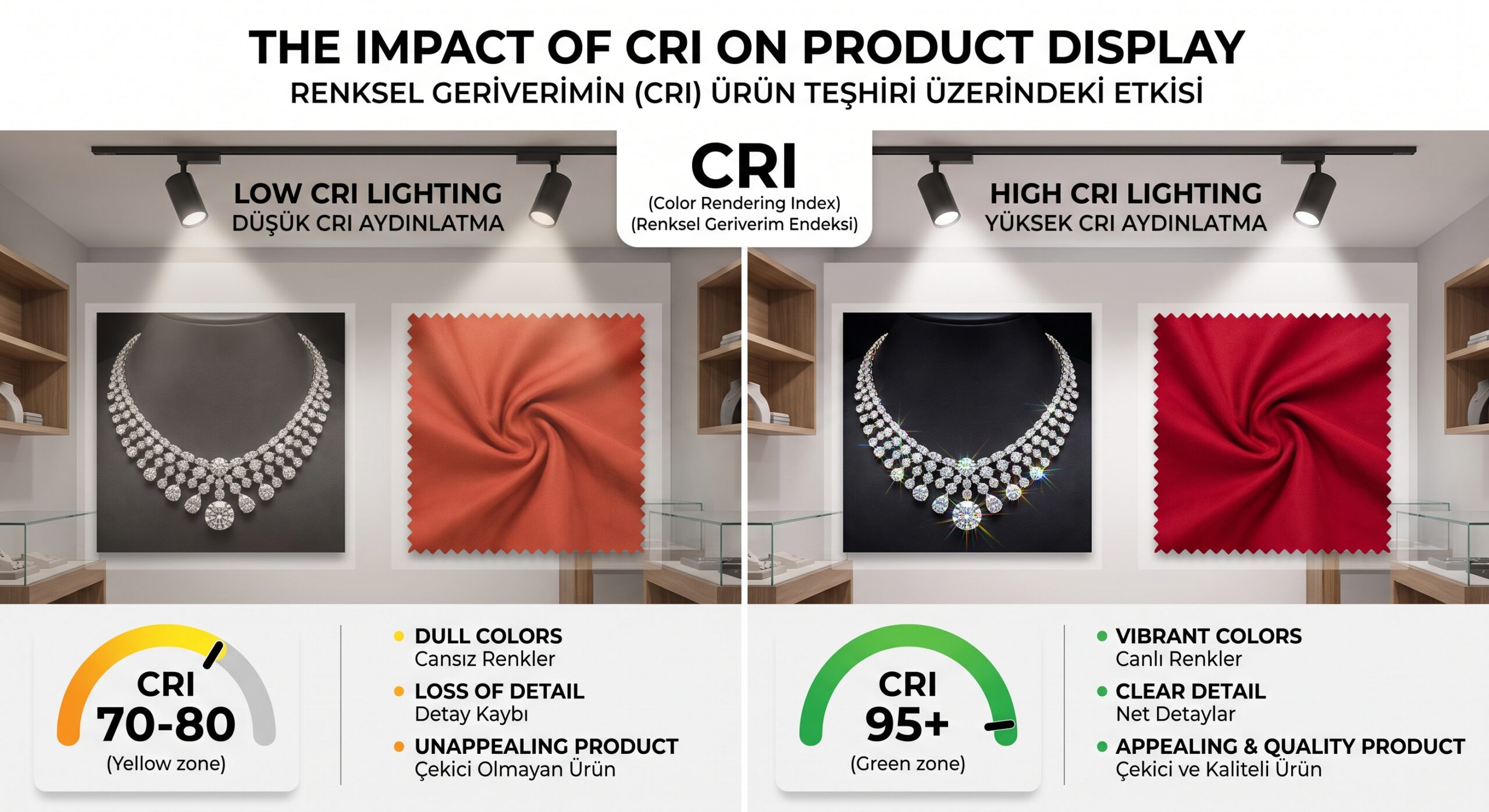
Realistic perception of colors
Techniclight architectural LED lighting solutions are developed according to not only technical but also psychological and perceptual design principles.
Conclusion: The Right Light, a Healthy Person
Light is an invisible architect that governs a person's biology, psychology, and daily performance. Poor lighting tires people, while proper lighting heals, motivates, and raises quality of life.
With its high-quality LED and architectural lighting systems, Techniclight offers:
Human-centric design
A healthy light spectrum
Ergonomic lux levels
Natural color perception
Biodynamic lighting scenarios
illuminating not only spaces but also the people who live in them.
Understanding the effect of light on humans through scientific data and combining it with technology, Techniclight is building the healthy living spaces of the future today.